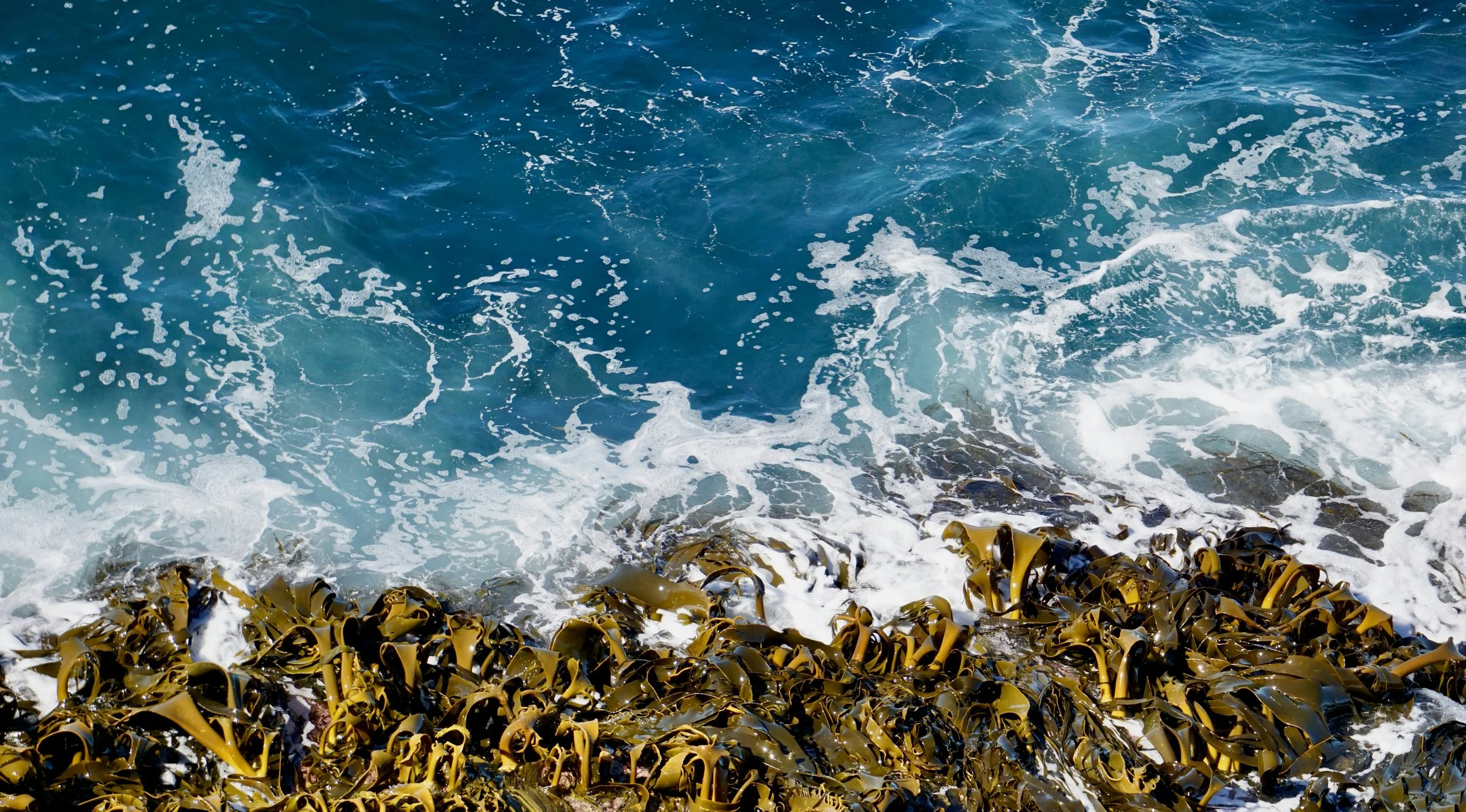

Building a regenerative model for seaweed farming in Cornwall
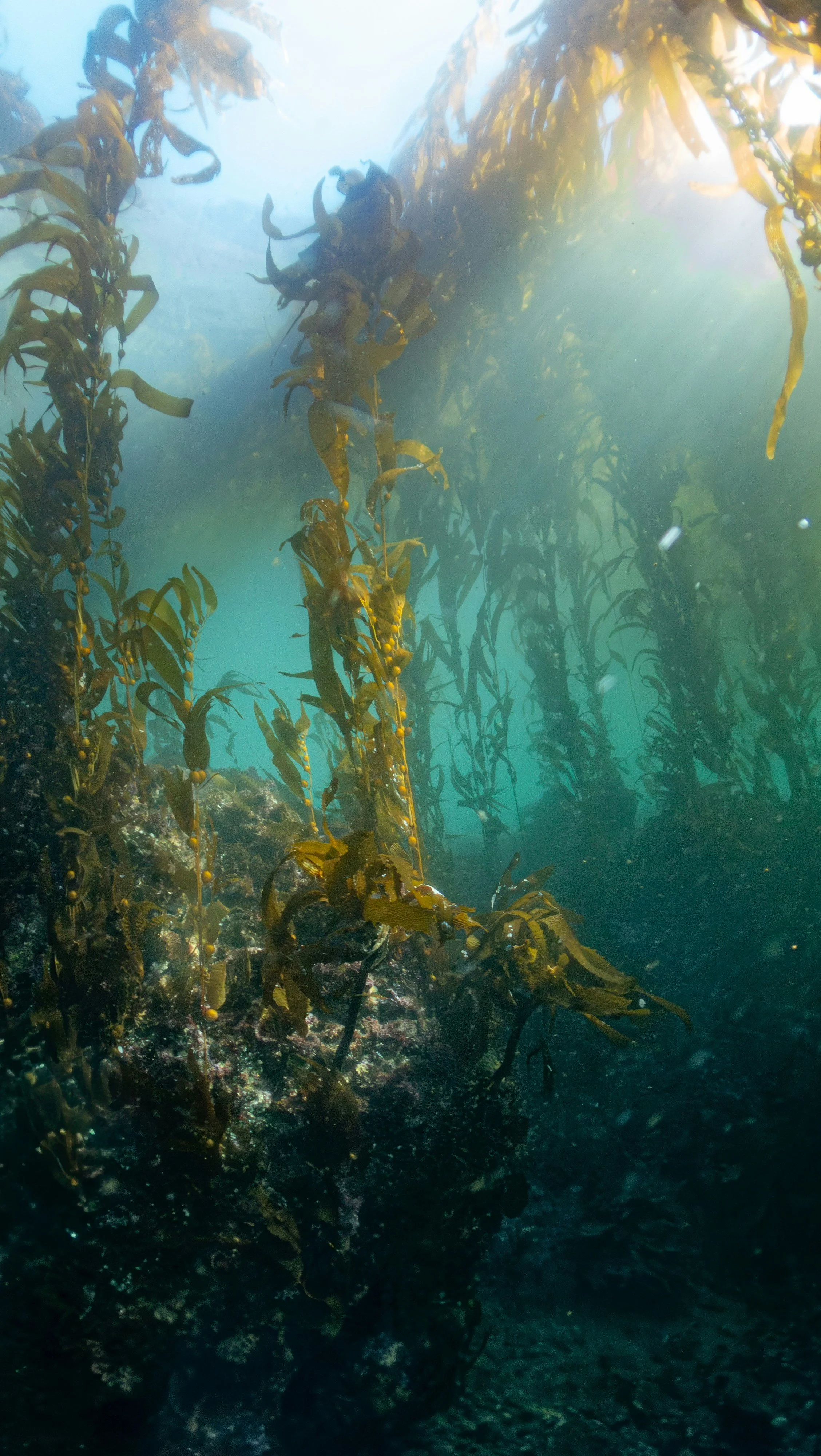
Dowr Fala is an early-stage aquaculture project developing a responsible approach to seaweed cultivation in the Fal Estuary.
Our focus is to create a model that supports marine ecosystem recovery while establishing the foundations of a viable, nature-positive coastal enterprise.
What is Dowr Fala
The Fal Estuary is one of the most historically impacted coastal systems in England, shaped by legacy mining pollution, hydrocarbons and ongoing nutrient inputs.
At the same time, there is growing interest in regenerative aquaculture as a way to support marine ecosystems while producing low-impact food and agricultural products.
Dowr Fala sits at the intersection of these challenges — exploring whether carefully designed seaweed cultivation can contribute to improved environmental conditions within a complex, real-world system.

THE PROJECT
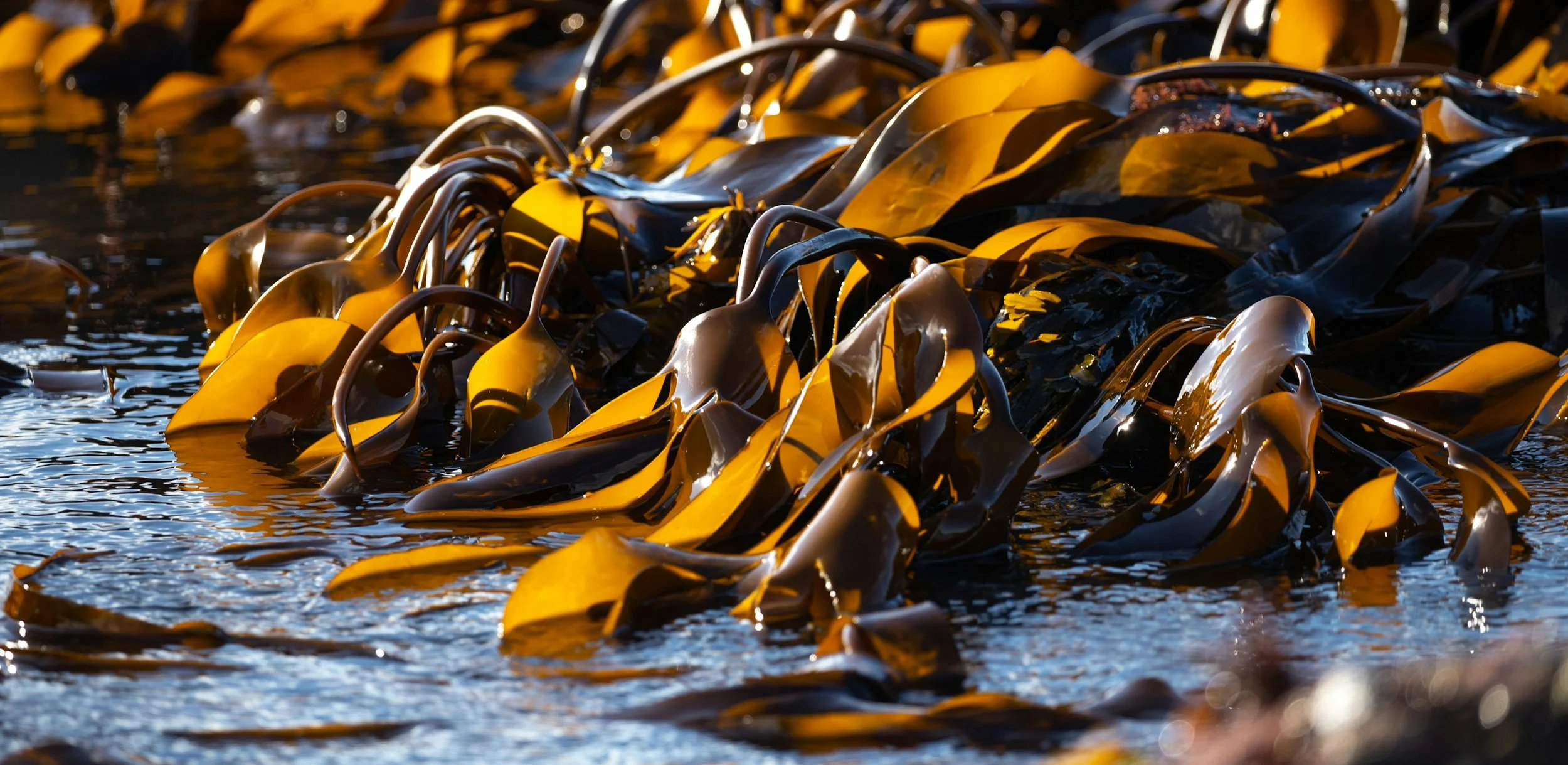
We are developing a small-scale pilot using native seaweed and shellfish species cultivated on longlines.
The project is centred on a previously used aquaculture footprint near Trelissick, allowing us to repurpose existing infrastructure and minimise additional disturbance.
A core element of the approach is a partial harvest model, where a proportion of biomass is retained in situ to maintain habitat structure beyond the cultivation cycle.
The pilot will be monitored across a full growing season, focusing on biomass production, biodiversity response, water quality, and potential contaminant uptake generating site-specific evidence on environmental outcomes.
Our Team
As a team, we are motivated not only by environmental and commercial opportunity, but by a shared belief that future generations should inherit a healthy, functioning ocean — one that continues to support livelihoods, communities and life along the coast.
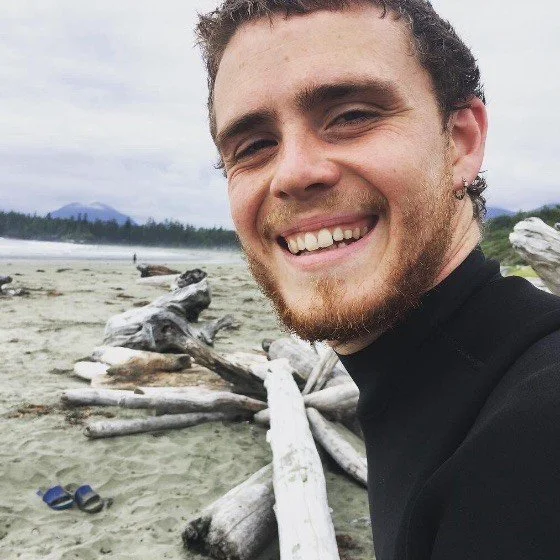
Josh Pysanczyn
Marine scientist and natural history researcher with a background in marine ecology, habitat restoration, and science communication. He holds a Master’s degree in Marine Biology and Biological Oceanography from the University of Exeter, alongside a First Class degree in Zoology from the University of Bristol.His work spans both scientific research and natural history production, including roles with the BBC Natural History Unit and contributions to marine science publications. This combination of academic research and applied experience supports an evidence-led approach to designing and monitoring regenerative aquaculture systems.
Co-Founder
Eddie Southerden
Marine graduate from Cardiff University with a strong connection to the Cornish coast. A qualified Divemaster with extensive in-water experience, he brings practical knowledge of marine environments alongside an operational understanding of working safely and effectively at sea.As a local and lifelong surfer, he brings a deep, place-based understanding of the coastline and its conditions, grounding the project in the realities of the environment it operates within.
Co-Founder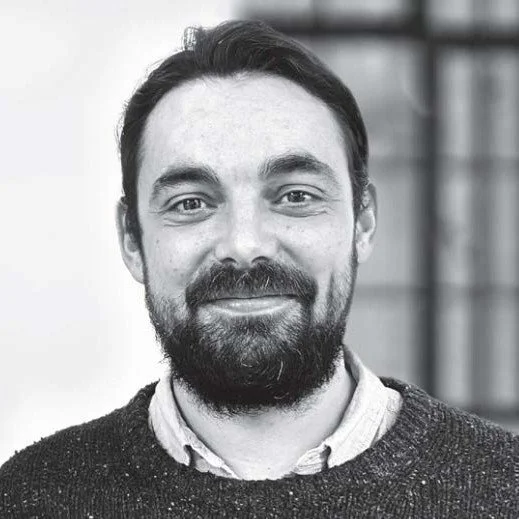
Iain Ross
Co-FounderWorks at the intersection of natural capital, investment, and environmental enterprise. He holds a BSc in Marine Geography from Cardiff University and an MSc in Entrepreneurship and Management from the University of Sussex, where his thesis explored how entrepreneurial approaches can support marine biodiversity conservation.Alongside his academic background, Iain has built teams within the natural capital and nature finance sector, supporting investors, funds and platforms to develop teams and deploy capital into environmental markets. He brings a commercially grounded perspective to developing scalable, nature-positive ventures.
LOOKING FORWARD
This pilot is the first step in a longer-term vision.
If successful, the project will:
Inform regenerative aquaculture approaches in the UK
Support development of local seaweed supply chains
Contribute to marine restoration and coastal resilience
Provide a foundation for a viable, nature-positive business
Our aim is to develop a model that is practical, evidence-based, and adaptable to other coastal environments facing similar challenges.